Guides
How to score a roofing contractor market using six observable conditions
A method for scoring a roofing contractor market across six observable conditions, with fieldwork steps and two stopping signals to check before expanding.
What to take away
- A roofing market is scored from six conditions, all observable without buying data. Roof age, weather exposure, permit regime, insurer behavior, labor supply and competitor density.
- No named market is recommended here. Conditions change and the answer is different for a repair-led firm than for a replacement-led one.
- Two findings should stop a plan regardless of everything else: a licensing barrier you cannot clear, and a labor market that cannot staff you.
- Drive it before you decide. Twenty minutes of looking at roofs tells you more than any purchased report.
Guidance on evaluating a market. Nothing here names or ranks a location, and licensing questions must be confirmed with the relevant authority.
The six conditions
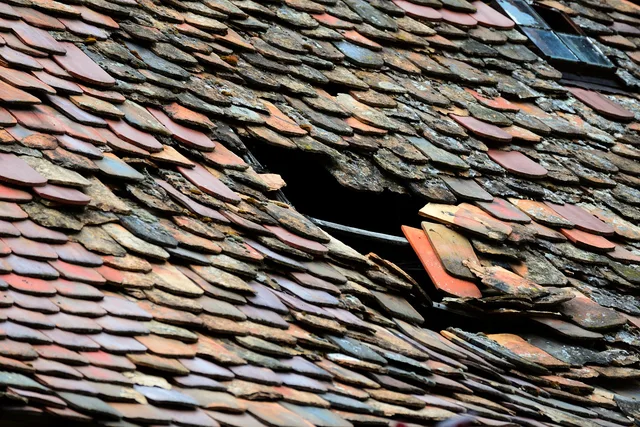
Roof age and building stock. Drive neighborhoods and look up. A subdivision built in one decade reroofs in one decade, and that concentration is worth more than population. Note the mix of systems too, because a market full of one covering type is a market you can specialize in.
Weather exposure. Ask a local insurance agent which perils drive claims in the county, and ask the building department which repairs they see most. Both conversations are free and both are more specific than any regional summary.
Permit regime. Call the building department. Is a reroof permitted, who may pull it, what inspections follow, and how long does issuance take? A slow permit process is a scheduling cost, and a strict one is actually an advantage to a firm that works properly.
Insurer behavior. In some markets carriers settle quickly and in others they do not. That is a cash flow condition, not a marketing one, and it decides whether restoration work is viable for a small firm.
Labor supply. Look up what roofing and construction occupations cost in the metropolitan area using the BLS occupational employment and wage tables, which publish employment and wage estimates by occupation and area. Then ask whether the price your market will pay supports the wages that market demands.
Competitor density and shape. Count the firms advertising there, then count how many name a specific system or building type. Specialists are harder to displace than generalists, and a market of generalists has room in it.
Scoring without pretending to be precise
Rate each condition from one to five for the business you actually run, and write one sentence of evidence beside each score. The sentence matters more than the number.
Then look at the shape rather than the total. A market with excellent roof age and no labor supply is not a good market with one problem, it is a market you cannot serve.
Two stopping conditions
Licensing. If you cannot clear the state, county and city requirements for that area, nothing else matters. Ask each body before any other work, because the answer changes at boundaries you cannot see from the road, and a state license does not always satisfy a city registration.
Staffing. If the labor market cannot supply the roles at a price your pricing supports, the market is closed to you today. That is a real answer, and it is better received now than after a lease. The recruitment picture behind it is covered in how to hire reliable staff for a roofing contractor business.
Fieldwork that costs a morning
- Drive three neighborhoods and photograph roof conditions, not front doors.
- Call the building department and ask the four permit questions.
- Call two insurance agents and ask what drives claims locally.
- Visit the nearest supplier and ask what contractors there buy most.
- Read twenty reviews of local roofers and note what customers complain about.
- Check the licensing body for how many firms are registered there.
Six steps, one morning, and it produces evidence rather than an impression. The SBA business guide is a reasonable frame for the registration and planning side that follows.
What the answer changes
Old stock and slow insurers suit replacement work funded by homeowners. Frequent weather and fast settlement suit a firm with documentation discipline.
A dense urban market with difficult access suits a firm equipped for it and punishes one that is not. What that equipment looks like is set out in the roofing contractor equipment and setup guide.
Access is also a safety question rather than only a cost one. The duty to apply the requirements governing a site sits with the employer, and the OSHA guidance on fall protection in residential construction describes the methods available. A market full of buildings your crew cannot reach safely is not a market for you until that changes.
Travel is the hidden term
Contribution per crew day falls with distance, quietly and continuously. A market that scores well on every condition and sits ninety minutes away may be worse than a mediocre one nearby.
Measure it honestly: hours of travel per crew day, at your burdened cost. Then decide whether the score survives the subtraction.
Before you commit
Run the readiness questions in the roofing contractor expansion and market guide before acting on any market score. A good market entered by a firm that is not ready produces the same result as a bad one.
And check that you can staff and train there rather than commuting a crew indefinitely, using the ladder described in the roofing contractor hiring and training guide. Crews that travel far leave sooner.
Common questions
Is a growing population a good signal?
Less than people assume. New construction is a different business from reroofing, and a market full of new roofs has no replacement demand for years.
How do I judge competition without naming firms?
By shape rather than by name: how many operate there, how many specialize, and what customers complain about in reviews. That tells you where the gap is.
Should I follow storms?
It is a business model with real ethical and reputational hazards, and it is a poor first market for a new firm. Local reputation compounds and storm work does not.
How long should a market assessment take?
A morning of fieldwork, plus the phone calls to licensing bodies, which take as long as they take. Anything faster is an impression.