Guides
Alberta storm claims and roofer shingle quotes
Alberta roofer shingle quotes for storm claims combine damage documentation, product details, claim scope, exclusions and separate emergency work.
What storm claims change in roofer shingle quotes
- Hail frequency, not square footage alone, sets the range on an Alberta re-roof quote.
- Class 4 impact-rated shingles change the material line and the labour line at once, and some product lines require a certified installer for the warranty to hold.
- A storm-damage quote is a claim file. Adjusters work from photographs, a measurement report, product data, a line-by-line scope and a written list of exclusions.
- Split storm-caused work from deferred maintenance on the page. Insurers pay for the event, not for a roof already at the end of its service life.
- Alberta OHS fall protection, cold-weather sealing limits and snow load all sit inside the labour rate. Quote them rather than discovering them mid-job.
- Confirm permit fees, disposal rates and shingle prices with the municipality and supplier on the day you quote. None of those figures hold still.
How hail risk shapes an Alberta quote
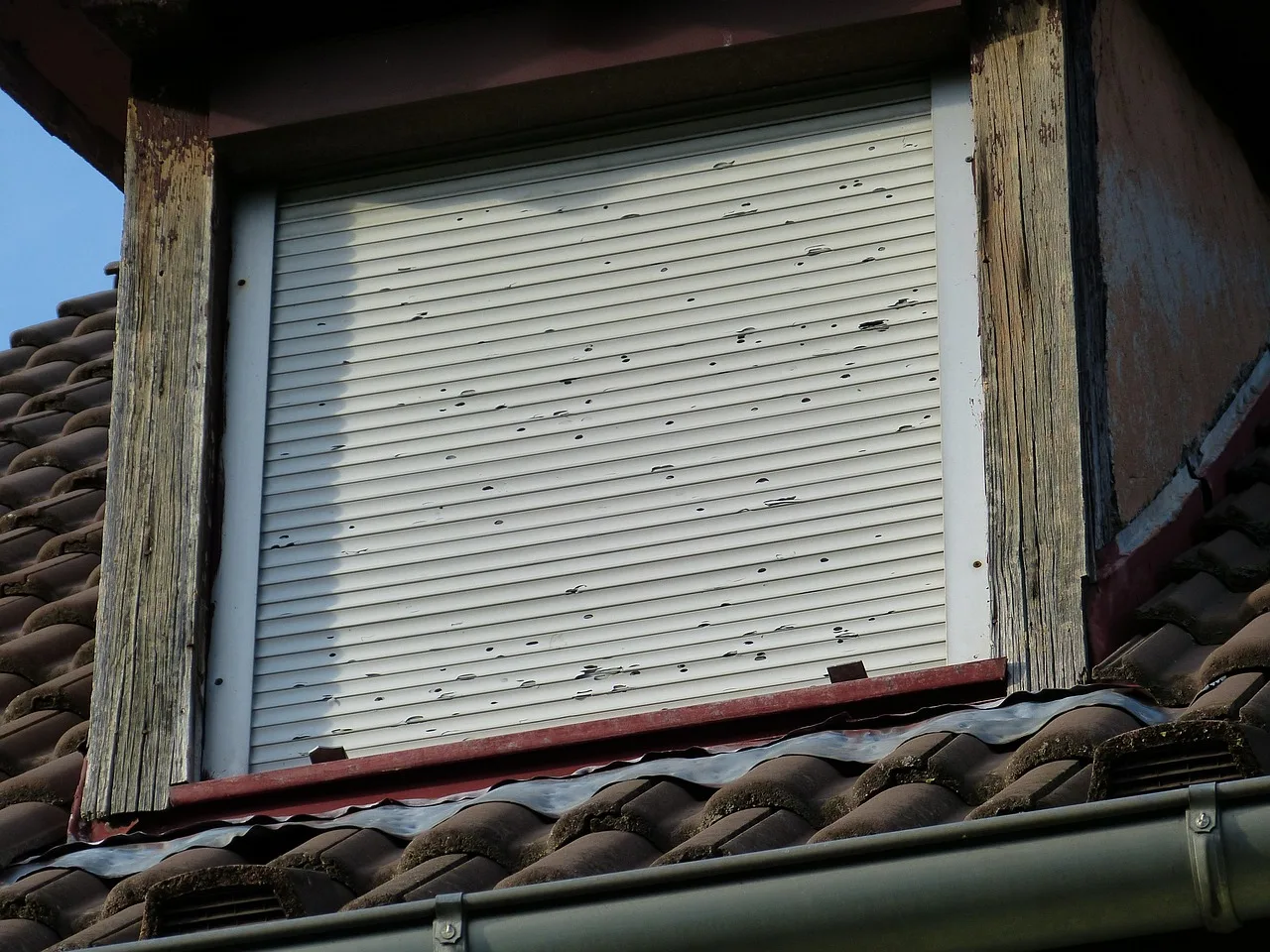
The hail belt runs down the eastern slopes of the Rockies and across the central prairies. Calgary, Airdrie, Red Deer and Edmonton take repeated convective storms from June through August. Hail size, wind speed and storm track decide whether a roof is repairable or a full replacement.
Quiet market vs Alberta hail belt
Quiet market
- Pricing basis
- Rate per square
- Storm work
- Steady
- Supply
- Stable
- Roof layers
- Fewer
- Quote result
- Predictable
Alberta hail belt
- Pricing basis
- Probability of re-hit
- Storm work
- Bursts after events
- Supply
- Tightens in days
- Roof layers
- More layered roofs
- Quote result
- Wide spread
That uncertainty is the pricing engine. A contractor in a quiet market measures a roof, applies a rate per square and sends the quote. An Alberta contractor is pricing a probability: the chance this roof is hit again before the warranty expires, and the chance the homeowner calls back after the next storm.
Storm work also arrives in bursts. Crews, dumpsters and shingle supply tighten within days of a major event, and the Consumer Price Index Portal tracks the broader inflation that feeds supplier quotes. A contractor who locked pricing in May may be installing in July at a higher cost.
Alberta's housing stock adds a second variable. Housing statistics show steady renovation demand across the province, and older neighbourhoods carry more layered roofs, more brittle underlayment and more decking that fails once shingles come off. Every extra layer adds tear-off and disposal tonnage.
Homeowners see all of this as quote spread. Three contractors inspect the same roof and return three numbers, because each is guessing differently about hidden damage, decking condition and how much of the claim the insurer will approve. Explaining the spread during the first visit prevents the argument later.
What the Insurance Bureau of Canada expects on a storm file
The Insurance Bureau of Canada tells homeowners to contact their insurer promptly, document damage with photographs and notes, and keep receipts for emergency repairs such as tarping. Contractors who know that guidance write quotes that match it.
Storm file first conversation
- Claim number recorded
- Adjuster name noted
- Adjuster inspection status confirmed
- Quote labelled contractor scope
- Emergency work on separate invoice
The first conversation should establish the claim number, the adjuster's name and whether an adjuster has already inspected. A quote produced before that inspection is still useful, but label it as the contractor's scope, not a settlement figure.
Emergency work belongs on its own invoice. Tarping, temporary shoring and water extraction after a storm are usually reimbursable, and the homeowner needs a clean document with dates and photographs to submit. A tarp billed inside a lump-sum quote is a tarp the insurer may not pay for.
Expect the adjuster to test the scope. Insurers routinely ask whether damage is storm-caused or age-related, whether the whole slope needs replacement or part of it, and whether matching shingles are still available. A quote that answers those three questions in writing moves faster.
Deductible and depreciation trip up more homeowners than any other part of the file. The first cheque usually covers actual cash value, with replacement cost released after the work is complete. State the payment schedule in the quote so nobody is surprised at the halfway point.
Timing matters too. Homeowners are told to mitigate further damage, which means a roof left open becomes their problem rather than the insurer's. A contractor who can start quickly after a storm has a real selling point, and the quote should say so.
Class 4 shingles: what changes in Calgary and Edmonton
Impact-rated shingles carry a Class 4 rating under the standard hail test, meaning they resist damage from larger hailstones than standard products. As asphalt shingle manufacturing has moved toward heavier mats and modified asphalt blends, the Class 4 segment has grown with it.
Three forces drive demand in Calgary and Edmonton. Insurers discount premiums for Class 4 roofs in hail-prone areas. Municipal and builder specifications increasingly call for them. Homeowners who have replaced a roof twice in a decade want the third one to last.
A typical Class 4 architectural shingle costs about $20 to $60 more per square installed than a standard architectural product.
Ask the insurer what the discount is worth per year in dollars, then divide the premium by that figure. The result is the break-even in years. If you expect to stay past that break-even, the discount pays the upgrade back. If not, the homeowner is buying hail resistance, not savings.
Availability is a quoting problem, not just a supply problem. Not every Class 4 product is stocked in every Alberta branch, and after a major storm the popular lines sell out first. A quote that names a specific product should also name an acceptable substitute, with the homeowner's written agreement, so the job does not stall.
Warranty terms differ between manufacturers and between product tiers. Some cover labour, some cover materials only, and some require certified installers. A contractor who is not certified for a given line should not quote it, because the warranty may be void on installation.
Raise the performance limit honestly. Class 4 shingles resist hail better than standard products, but they are not hail-proof, and a severe enough storm will still damage them. Setting that expectation at quote stage prevents a difficult conversation after the next event.
For contractors weighing which work to pursue, impact-rated installations sit in the higher-value bracket of profitable roofing contractor services: higher material cost, more specification work, and a customer who is often insurance-funded.
The documentation package an adjuster can actually process
A storm-damage quote in Alberta is a claim document as much as a sales document. Adjusters work from files, and a thin file gets a slow answer. The contractor who supplies complete documentation gets paid first and gets fewer callbacks.
Adjuster-ready documentation package
- Date-stamped wide and close photographs
- Roof report with slope lengths and pitch
- Penetration count and legible sketches
- Existing and proposed shingle product details
- Separate scope lines for each work item
- Written exclusions list
Photographs are the foundation. Shoot the damaged slopes, the granules in the gutter, the bruised mat and the soft decking. Then photograph the flashing and the vents. Include wide shots that show the address and close shots that show the damage, all date-stamped.
Measurements come next. A roof report with slope lengths, pitch, ridges and valleys removes guesswork, and the penetration count completes the picture. Hand-drawn sketches are acceptable if they are legible and consistent with the photographs.
Product documentation should identify the existing shingle where possible, then the proposed replacement with its Class rating, manufacturer and warranty terms. Insurers compare like with like, and a quote that proposes a different product tier without explanation invites a question.
The scope of work needs to be specific. Tear-off depth, underlayment, ice and water membrane at eaves and valleys, flashing replacement and a decking repair allowance each appear as separate lines. A lump-sum quote tells the adjuster nothing.
State the exclusions. Interior damage, gutter replacement, satellite and solar removal, and permit fees are the common gaps. Naming them protects the contractor and tells the homeowner what the claim may not cover.
A consistent quote template with pricing examples keeps those sections in the same order on every storm file, which matters when a contractor is running dozens of claims at once.
Snow load, cold weather and the labour rate
Alberta roofs carry two loads that rarely appear together elsewhere in Canada: hail impact and heavy snow. The snow load provisions in the National Building Code of Canada 2025 set the structural basis for roof design, and Alberta ground snow loads are among the higher values in the country.
Warm-season vs cold-weather installation
Warm season
- Sealing strips
- Bond normally
- Method
- Standard nailing
- Material
- Ambient storage
- Production
- Normal rate
- Quote impact
- Base labour
Cold weather
- Sealing strips
- Do not bond
- Method
- Hand-sealing
- Material
- Heated storage
- Production
- Slower rate
- Quote impact
- Higher labour line
That connects to a hail quote through decking. A roof loaded heavily for years may have sagging sheathing, failed fasteners or poor ventilation.
Replacing shingles over compromised decking transfers the problem to the next owner, and the insurer may refuse the claim.
Whether a specific assembly meets the code is a question for the local building department or the engineer of record, not for the quote.
Cold weather changes installation. Most shingle manufacturers specify a minimum application temperature, and sealing strips do not bond properly below it. Contractors working into late autumn or winter should quote hand-sealing, heated material storage and slower production rates.
OHS legislation | Alberta.ca governs fall protection, ladder use, roof anchors and training for work at heights. Those requirements cost money, and they belong in the labour rate rather than appearing later as a variation.
For the technique itself, use a certified Working at Heights trainer and the CSA Z259 standards; this is not a procedure to learn from a quote document.
Cold-weather work brings practical constraints. Snow removal before tear-off, frozen decking, brittle underlayment and short daylight hours all cut daily production. A crew that installs ten squares in July may install five in November, and the quote should reflect that.
Winter work also needs the right policy behind it. Insurance costs and coverage vary with the scope of work performed, and a policy written for summer re-roofs may not respond to a February claim.
Worked example: a 2,200 square foot bungalow claim
This example shows the shape of the numbers, not current Alberta rates. Substitute your own supplier price, crew rate, dump fee and permit fee; confirm each with the supplier or municipality on the day you quote.
2,200 sq ft bungalow claim figures
- 2,200 sq ftBungalow size
- 26 squaresShingles after waste
- 1 layerTear-off depth
- 4 sheetsDecking allowance
A 2,200 square foot bungalow in northeast Calgary with a steep main slope and a low-slope addition needs roughly 26 squares of shingles after waste.
Typical Alberta re-roof pricing sits in a band of about $450 to $700 per square before add-ons, so 26 squares points to a low five-figure job. Treat that band as a planning figure and confirm it with your supplier and crew before the quote goes out.
The quote carries tear-off of one layer, new synthetic underlayment, and ice and water membrane at the eaves and valleys.
It also includes two new vents, a decking allowance for four sheets, disposal and the permit.
The material line uses a Class 4 architectural shingle at the contractor's supplier price plus markup. The labour line uses a crew rate that reflects cold-weather hand-sealing if the work runs past October. Overhead and profit apply to the total, and the emergency tarp from the first visit is billed separately with its own photographs.
The homeowner pays the deductible directly. The insurer pays the approved scope, with depreciation released after completion. If the adjuster approves a smaller scope than quoted, the contractor and homeowner decide together which deferred items to drop, and the quote is revised in writing before work begins.
| Quote line | Basis | Who pays |
|---|---|---|
| Tear-off, one layer, 26 squares | Per square, plus disposal tonnage | Insurer, if storm-caused |
| Synthetic underlayment | Per square | Insurer |
| Ice and water membrane, eaves and valleys | Per linear foot | Insurer |
| Class 4 architectural shingle | Supplier price plus markup | Insurer, at approved tier |
| Decking allowance, four sheets | Per sheet, reconciled on completion | Insurer if storm-caused, otherwise homeowner |
| Two replacement vents | Each | Insurer |
| Disposal and dump fees | Per tonne, confirmed with the transfer station | Insurer |
| Permit | Municipal fee, confirmed locally | Per policy and municipality |
| Emergency tarp | Per visit, photographed | Insurer, reimbursable |
| Subtotal, insurer scope | Sum of the lines above; a typical range is $15,000 to $25,000 for this scope | Insurer, before depreciation |
| Deductible | Policy figure | Homeowner |
| Total on the file | Subtotal, with the deductible carried by the homeowner, plus any approved upgrades | Insurer and homeowner |
Managing the revision conversation well is part of a working complaint handling process, because most hail disputes start with a mismatch between what the homeowner expected the insurer to cover and what the policy actually pays.
Record-keeping protects margin. Contractors who track material, labour and change orders per claim learn which storm jobs actually make money, which is the same discipline behind understanding profit margins and break even points across a roofing business.
Common questions
Does a Class 4 shingle guarantee my hail claim will be approved?
No. The rating describes impact resistance, not coverage. Insurers still assess the damage, the roof's age and the policy terms, and they may apply depreciation regardless of the product installed.
Can I start emergency repairs before the adjuster inspects?
Yes, and the Insurance Bureau of Canada guidance encourages homeowners to prevent further damage and keep receipts. Photograph everything before and after tarping so the adjuster can see the original condition.
Why do quotes for the same roof differ so much after a storm?
Scope, not the roof, usually explains the gap. Ask each contractor what is excluded, starting with decking, ventilation and permits.
Do Alberta snow load rules affect a hail replacement?
They affect the structure beneath the shingles. If decking or framing has been compromised by years of snow load, a shingle-only replacement may not satisfy the insurer. Whether it meets the building code is a determination for the local building department or the engineer of record.
Who pays for the permit on a storm-damage re-roof?
It depends on the municipality and the policy. Many Alberta permits are the homeowner's responsibility, so list the permit as a separate line and state who is applying and paying. Confirm the current fee with the municipality.